 English
 Русский


Core Functions of Auto Switches in Vehicle Electrical SystemsOn/off Control and Circuit Path Selection in Automotive ApplicationsCar switches serve as the main connection point between drivers and their vehicle's electrical system, allowing them ...
Core Functions of Auto Switches in Vehicle Electrical Systems
On/off Control and Circuit Path Selection in Automotive Applications
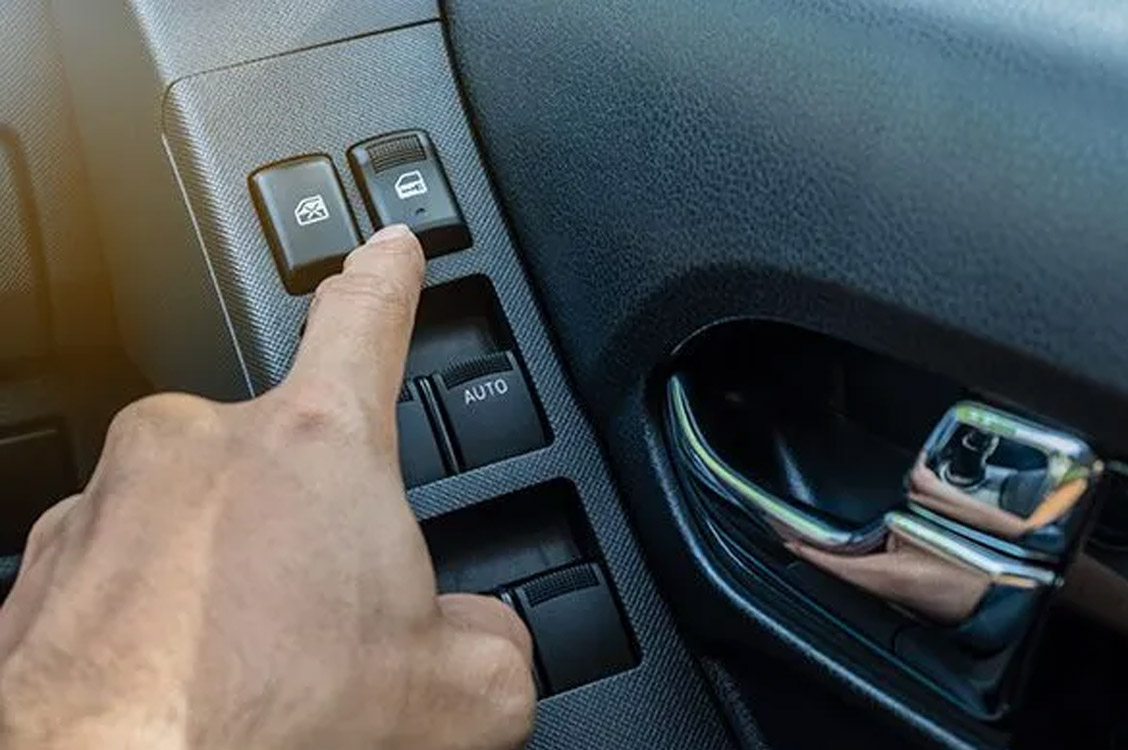
Car switches serve as the main connection point between drivers and their vehicle's electrical system, allowing them to turn on lights, activate wipers, and control various interior features. These switches have spring loaded parts inside and come in insulated cases so they can handle voltages ranging from 12 volts up to 48 volts DC. Most standard toggle and rocker style switches found in regular cars are built to carry currents between 10 amps and 30 amps. The newer versions of these switches can actually manage multiple circuits at once, which is really handy when controlling things like power windows throughout the car. Plus, many modern designs include built in safety features that limit how much current flows through them, stopping potential damage from electrical overloads before it happens.
Role of Auto Switches in Mode Selection and Signal Routing
Modern cars rely on auto switches that convert physical movements into electronic signals for things like transmissions and those fancy driver aids we see these days. According to some research from last year, around three out of four vehicles with advanced driver assistance systems actually use these multi-position switches to handle stuff like lane departure warnings and adaptive cruise controls. What makes these switches work so well? They typically have gold plated contacts inside, which keeps the electrical signals strong and stable. Even when the car is bouncing around on rough roads, these contacts maintain really low resistance levels, something like below 50 milliohms, ensuring reliable operation despite all the vibrations going on underneath the hood.
Enhancing System Reliability with Automatic Changeover Switches
Automatic changeover switches offer backup power solutions for vehicle electrical systems when the alternator fails. These devices switch between power sources without causing interruptions. Most models come with double-break contacts that can handle around 100 thousand cycles before needing replacement, plus they work reliably even at temperatures reaching 125 degrees Celsius. When things go wrong with the main power supply, these switches kick in to keep essential components running, including fuel pumps and engine control units. Fleet managers who tested them reported something pretty impressive actually. Their vehicles experienced roughly 63 percent fewer electrical problems than those relying on manual switching methods. That kind of reliability makes all the difference in keeping commercial operations moving smoothly day after day.
Common Types of Auto Switches: Function, Design, and Configuration
Auto switches vary widely in design and function, falling into three primary categories that define their application in modern vehicles. Selecting the right type ensures optimal performance and reliability.
Mechanical Variants: Toggle, Rocker, Push-Button, and Selector Switches
Mechanical switches continue to hold their ground where users need that physical connection and immediate response. Take toggle switches for instance they work with levers to keep circuits either open or closed, which makes them perfect for things like car lights and various accessories around the vehicle. Then there are rocker switches those little buttons that pivot back and forth, frequently seen controlling power windows in modern cars. Push buttons come in two flavors momentary ones that reset when released, and latching types that stay engaged until pressed again. These are commonly found in systems like starting engines. For situations needing multiple settings, selector switches take center stage, letting drivers switch between different HVAC modes with ease. Industry reports from 2025 show that roughly 68% of all mechanical switches installed in vehicles today still stick with these time tested designs because they just work better long term and people know how they function without guesswork.